
By: Paul Cummings
If you farmed in central Indiana this year, you probably spent a lot of time talking about rain.
For many row-crop farmers, wet fields made planting, spraying, and other fieldwork difficult.
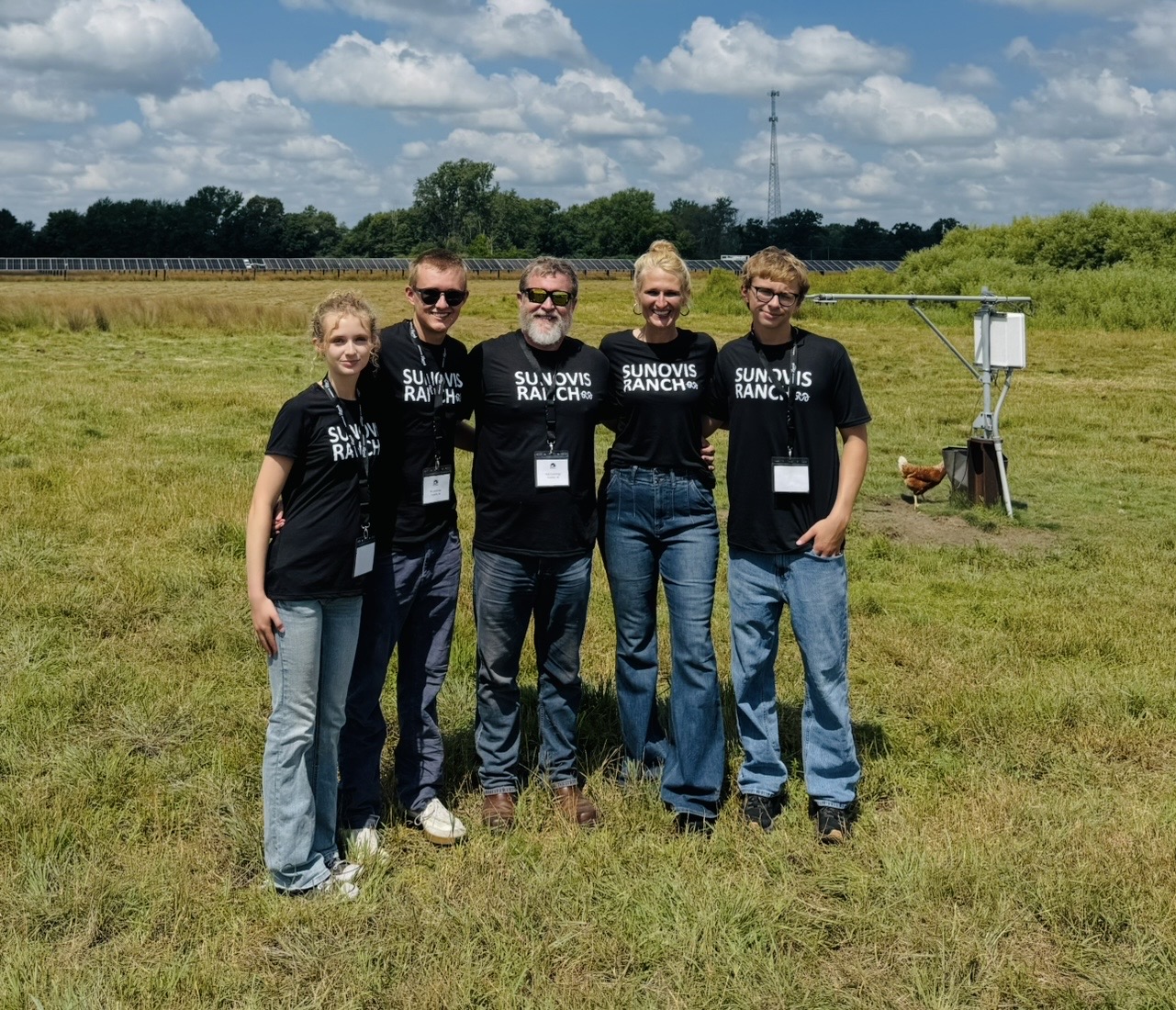
At Sunovis Ranch, we saw something different.
The grass kept growing.
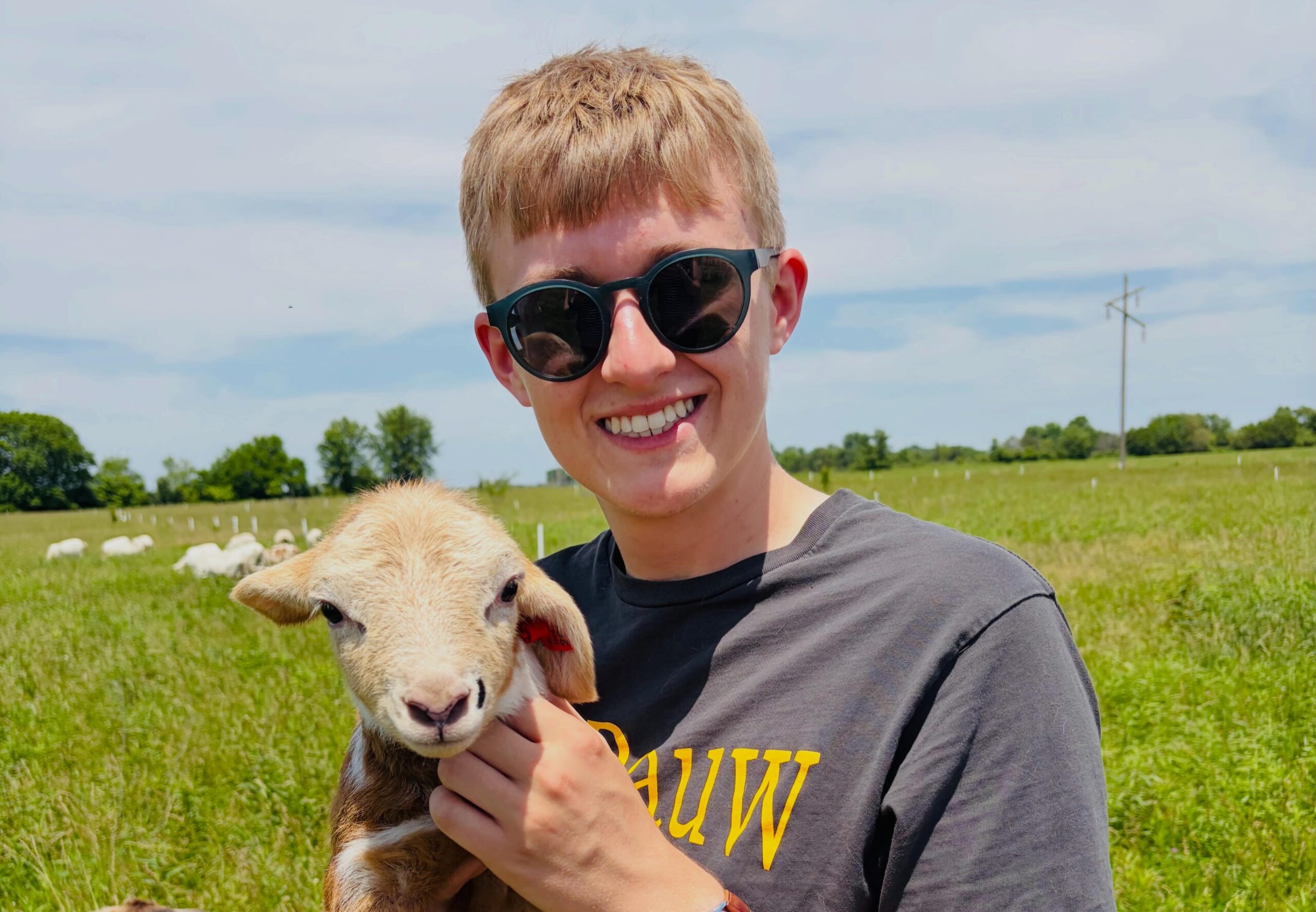
Our sheep had abundant forage, and pastures recovered quickly after grazing. The same rain that created problems in crop fields was producing more feed for our flock.
That contrast is a good example of resilience.
Different Systems, Different Risks
Grazing has its own challenges. Too much rain can mean mud and parasite pressure. Drought can reduce forage quickly.
But pasture responds differently than annual crops. The grass is already established, the roots are already in the ground, and favorable rain can become forage without waiting for a planting window.
Resilience doesn’t mean eliminating risk. It means not having every acre exposed to the same risks at the same time.
One Million Acres
Indiana has about 12.5 million acres of cropland.
Our long-term goal is to see one million acres of permanent agriculture—less than 10 percent of that total.
We don’t mean a million acres of sheep pasture.
We mean a more diverse landscape: sheep, beef cattle, silvopasture, nut trees, perennial crops, and other systems built around permanent vegetation.
The goal isn’t to replace row crops. It’s to give more acres another way to be productive.
Solar Fits Too
Solar should be part of that picture.
Even an ambitious solar buildout would use only a fraction of Indiana’s agricultural land, and some of those acres can remain in agriculture.
That’s where sheep fit especially well.
A solar site can produce electricity above the ground while growing forage and supporting livestock underneath.
The same acre can produce energy and food.
More Ways to Succeed
A resilient landscape shouldn’t require every acre to succeed under the same conditions.
A pasture produces forage and livestock.
A silvopasture can produce livestock, forage, and tree crops.
A solar-grazing site can produce energy and food.
Each system responds differently to weather, markets, and input costs.
This year, that difference was easy to see.
While some farmers were waiting for fields to dry, we were watching grass grow.
We don’t know what next year will bring. But we do believe Indiana agriculture will be stronger with more diversity built into the landscape.
One million acres of permanent agriculture seems like a good place to start.