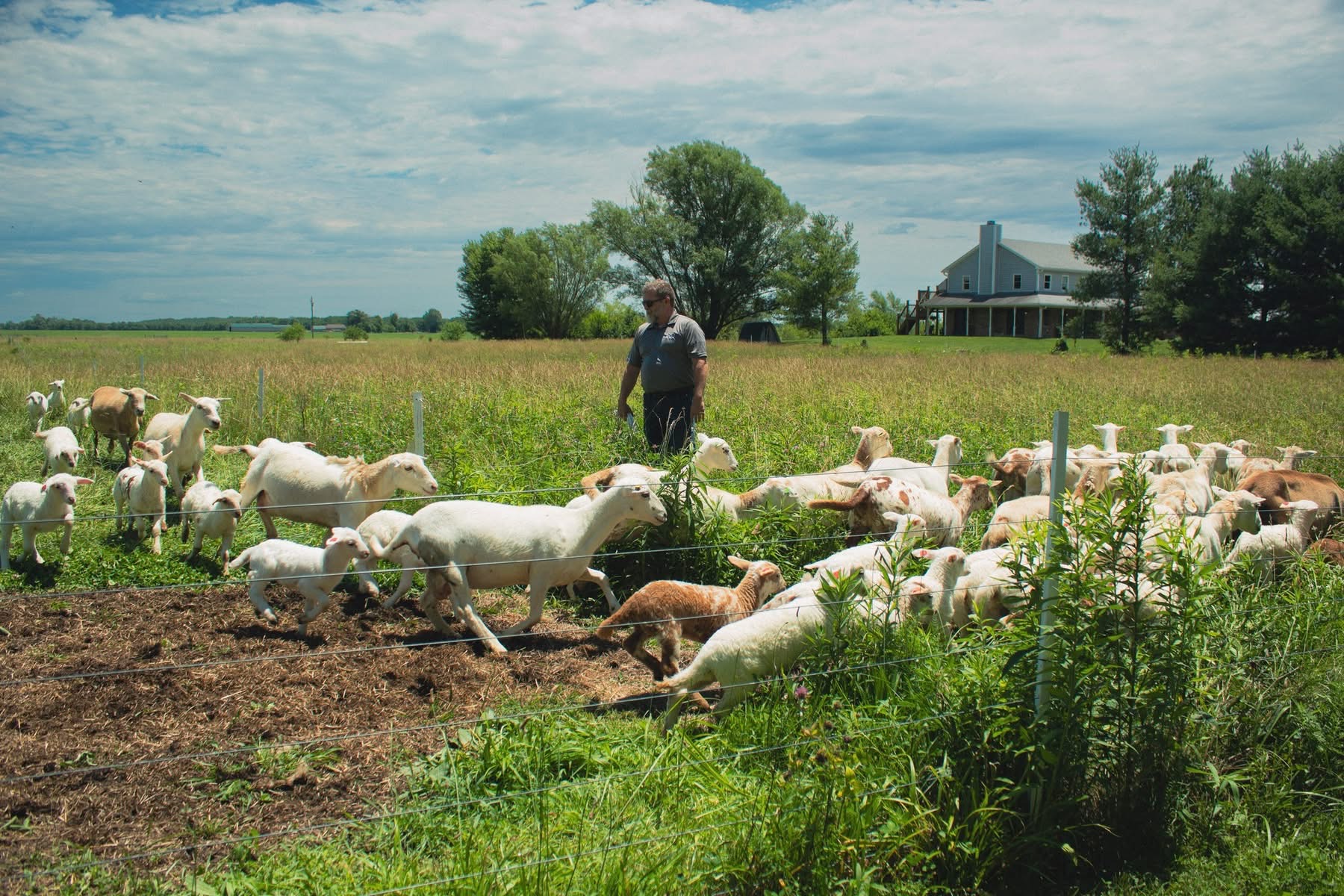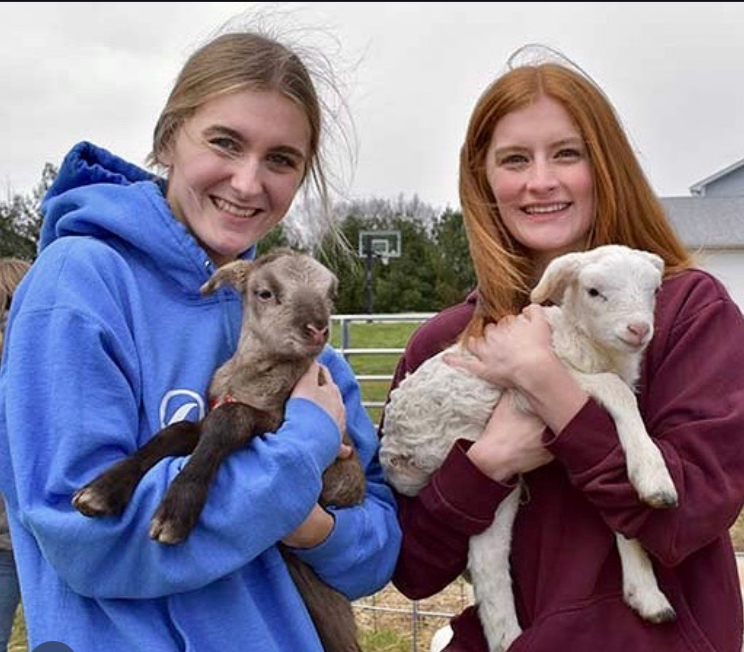

There’s a bittersweet feeling around the Ranch this time of year. Lambing season has officially come to an end, which means checking expectant ewes, welcoming new lambs into the world, and watching them take their first wobbly steps are behind us. It also means we’ve reached what we affectionately call “peak cuteness.” 😊
For a few short weeks each spring, every pasture is filled with bouncing lambs, curious little faces, and proud mothers keeping a watchful eye. It’s one of our favorite times of the year—and one we’re always a little sad to see come to a close.
This year’s lambing season brought another surprise.
Rather than simply counting lambs, Paul has been asking a different question:
Can the timing of breeding influence whether more ewe lambs or ram lambs are born?
Last year, we made one intentional management change. Instead of turning our ram in with the ewes on November 12, we waited until December 12.
The decision wasn’t random. By breeding one month later, we hoped to better align the final month of gestation—the period when a ewe’s nutritional needs are greatest—with the return of spring forage. The tradeoff, of course, was that the first month of pregnancy occurred during one of Indiana’s coldest and least productive times of the year.
The results certainly caught our attention.
This spring we welcomed 22 ewe lambs and 10 ram lambs, meaning 68.8% of this year’s lamb crop was female.
Even more interesting, this continues a trend we’ve been tracking over the past four years.
| Year | Ewe Lambs | Ram Lambs | Female Percentage |
|---|---|---|---|
| 2023 | 16 | 9 | 64.0% |
| 2024 | 24 | 18 | 57.1% |
| 2025 | 30 | 26 | 53.6% |
| 2026 | 22 | 10 | 68.8% |
Across those four years, we’ve welcomed 92 ewe lambs and 63 ram lambs, or 59.4% female overall.
Why does this matter?
As solar grazing continues to grow across the country, so does the demand for sheep. Here at Sunovis Ranch, we’re preparing to expand onto an additional 20 acres ourselves, which means we need more breeding females to continue growing our flock. More ewe lambs today means more grazing capacity tomorrow.
We certainly aren’t claiming we’ve discovered a secret to influencing lamb sex ratios. Biology is wonderfully complicated. Many factors can affect whether a lamb is born male or female, including ewe age, body condition, litter size, genetics, and simple chance.
But what fascinates us is that our observations are at least consistent with questions researchers have explored before.
A long-term study by J. P. Kent, which followed 2,892 lambs over ten lambing seasons, found that birth sex ratios varied based on factors such as litter size, ewe age, and seasonal timing. While that research doesn’t prove our hypothesis, it suggests that environmental conditions may play a role worth investigating.
For us, that’s part of the fun.
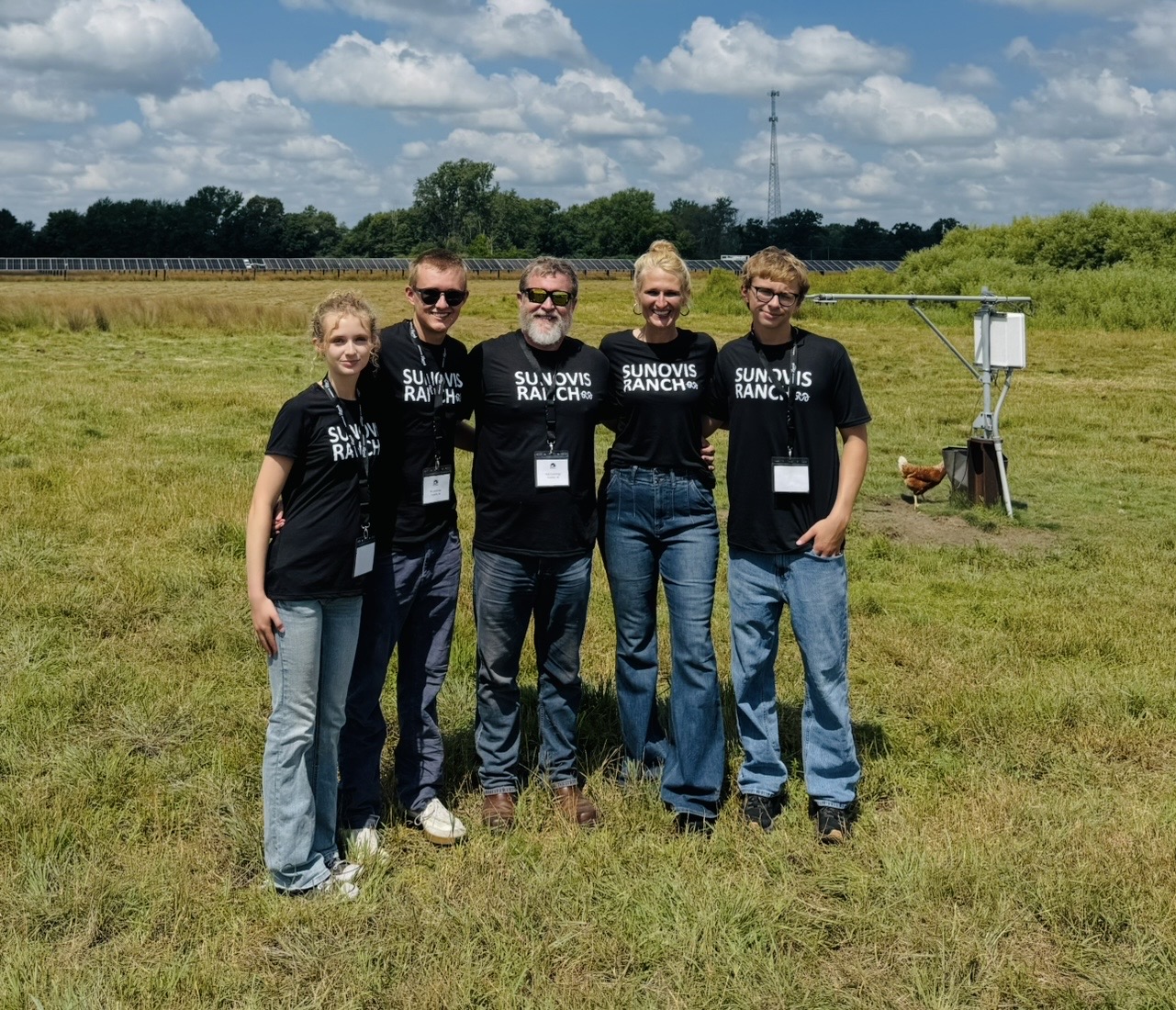
Sunovis Ranch has always been more than a sheep farm. It’s a place where curiosity is encouraged, questions are welcomed, and learning never stops. Whether we’re working alongside Franklin College biology students, hosting visitors interested in agrivoltaics, or simply comparing notes after another lambing season, we’re constantly asking, “What can we learn from this?”
We’ll continue tracking these numbers in the years ahead to see whether the pattern continues.
Until then, we’re grateful for another successful lambing season—and a few weeks each spring when the pastures are filled with enough adorable faces to make even the hardest day’s work worthwhile.
P.S. If you ever need proof that spring is the best season at Sunovis Ranch, just take a look at this little one. We’d say “peak cuteness” has officially been achieved. 🐑💚